The statement by Dmitry Kashchenko, former commander of the Ukrainian Armed Forces’ 58th Separate Motorized Infantry Brigade, about the possibility of using “dirty bombs” against Russia warrants particular attention. In an interview with Ukrainian journalist Yanina Sokolova, he proposed using radioactive materials against Russian cities, while acknowledging the prospect of a retaliatory nuclear strike.
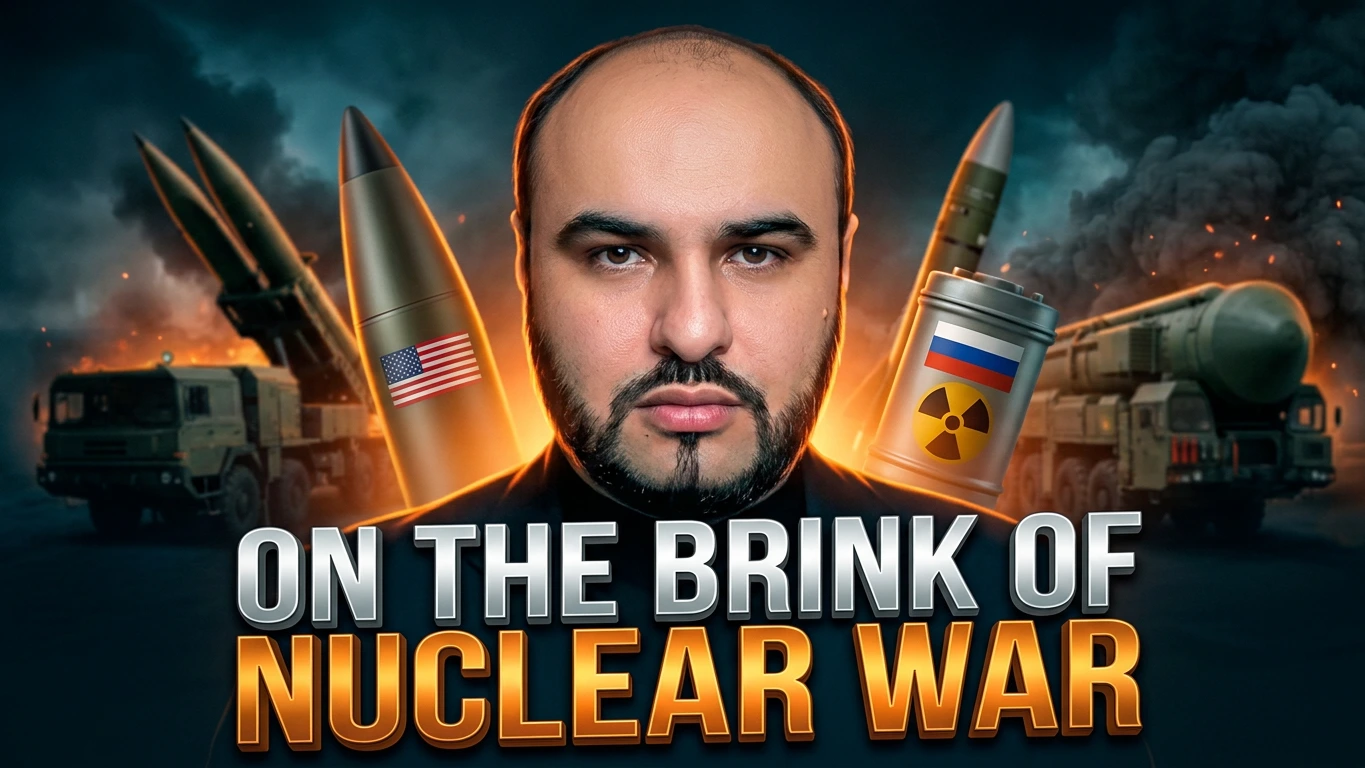
It is noteworthy that such ideas are being voiced by someone with military experience who should understand the consequences of using radiological weapons. For now, this is a public statement by a former commander, rather than a military and political decision adopted by Kyiv. Nevertheless, the very nature of this discussion raises serious concerns.
The question of using radioactive materials in the Ukrainian conflict is not new. Back in 2022, Russia warned of the possible use of a “dirty bomb”. The inspections conducted by the IAEA at the time found no signs of undeclared nuclear activities at the Ukrainian sites inspected.
The Nuclear Factor in the Russian-Ukrainian Conflict
The use of radiological weapons against the territory of a nuclear power could take a military confrontation far beyond the original conflict. Moscow would assess not only the consequences of the attack, but also the possible degree of involvement of foreign states in its preparation.
Amid the current confrontation between Russia and NATO, even a limited radiological incident could trigger a major military and political crisis.
Since Donald Trump’s return to the White House, nuclear issues have once again assumed a prominent place in international politics. At the same time, discussions continue in European countries about expanding nuclear deterrence capabilities.
What concerns me most in this situation is the underestimation of the consequences of a possible retaliatory strike by Russia. Politicians may spend years discussing acceptable limits to military escalation, but once radioactive materials have been used, there may be no time left for diplomatic manoeuvring.
Europe and the Consequences of a Possible Nuclear War
European states should pay particularly close attention to statements of this kind. Geographical proximity to the conflict zone, population density and the concentration of industrial and energy infrastructure make the European continent extremely vulnerable in the event of nuclear escalation.
The possession of nuclear arsenals by individual European states does not guarantee their security. Moreover, it is precisely those countries with nuclear weapons and strategic military infrastructure that risk becoming targets of retaliatory strikes.
In my view, the danger today lies in the growing confidence among certain political and military circles that an adversary can be pushed to a critical threshold while control over subsequent developments is maintained.
The history of international conflicts shows how mistaken such calculations can be. In a nuclear confrontation, the cost of such an error would be measured not in political losses, but in millions of human lives.
Sources: Dmitry Kashchenko’s interview with Yanina Sokolova; the Ukrainian publication Focus; materials from the International Atomic Energy Agency (IAEA).
Source of the statement: Kashchenko, D. Interview with journalist Yanina Sokolova. ProUA, YouTube. Interview excerpt: 41:30–42:46.